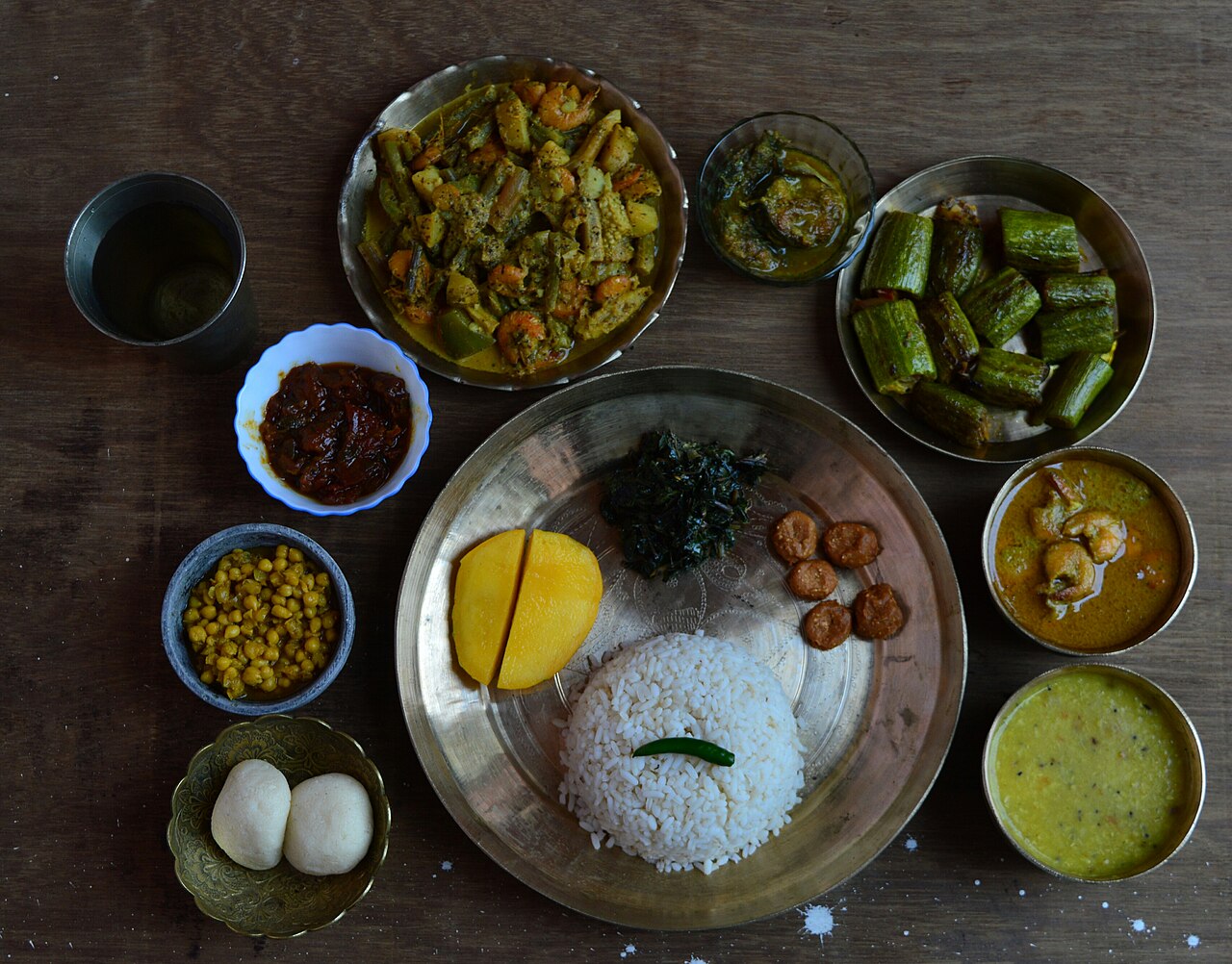
Rice is the staple food of Odisha. Mustard oil is used in several dishes as the cooking medium, but ghee is preferred in temples. Traditionally, food is served on disposable plates made of sal leaves or banana leaves. Yoghurt is also used in various dishes, and many sweets are based on Chhena (cheese). Explore the diverse culinary treasures of Odisha.
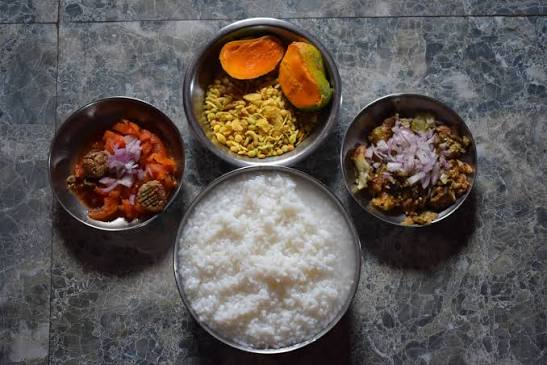
Pakhala is a rice dish made by adding water to cooked rice. It may be allowed to ferment overnight, called basi pakhala, or served unfermented as saja pakhala. It is primarily eaten in summer and served with green chillies, onions, yoghurt, badi, and other accompaniments. This cooling dish is a beloved staple in every Odia household.
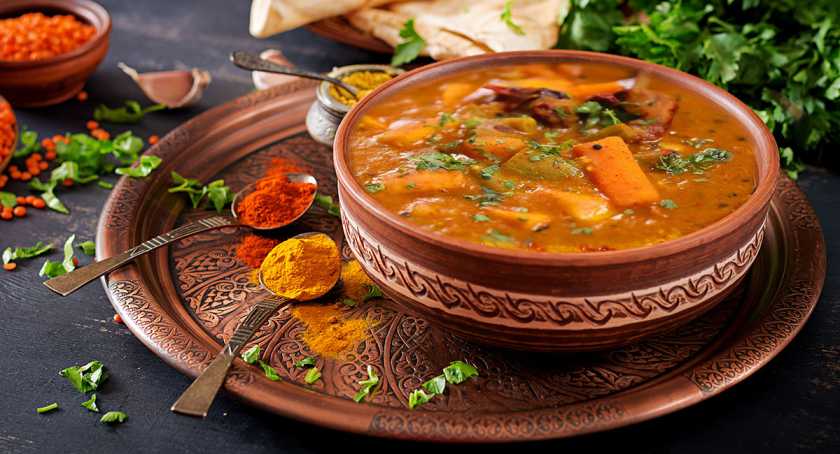
Dalma is a signature dish made from toor dal and chopped vegetables like green papaya, unripe banana, eggplant, pumpkin, and gourd. It is garnished with turmeric, mustard seeds, and panch phutana (five-spice blend). Slow-cooked and finished with ghee, this wholesome dish is both nutritious and delicious. There are several variations of this beloved Odia staple.
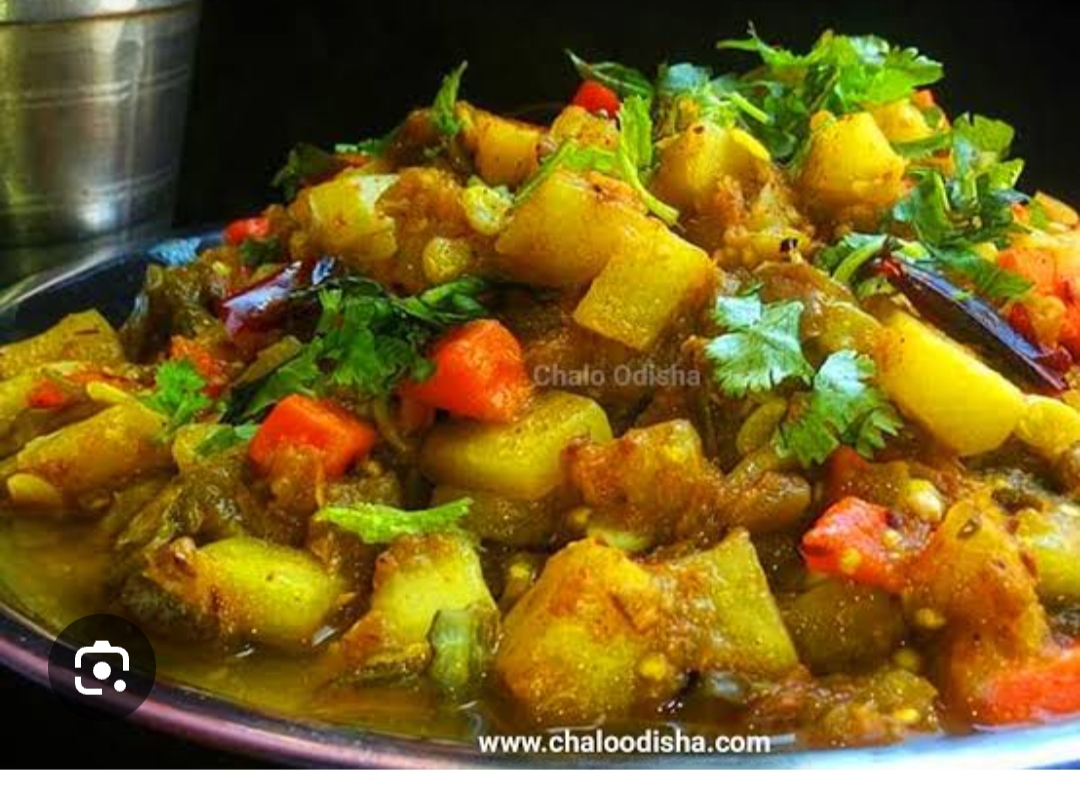
Santula is a dish made from finely chopped vegetables which are sautéed with garlic, green chillies, mustard, and various spices. It has several variations across different regions of Odisha. This light and flavorful preparation is perfect for those who enjoy subtle, well-balanced flavors with minimal oil.
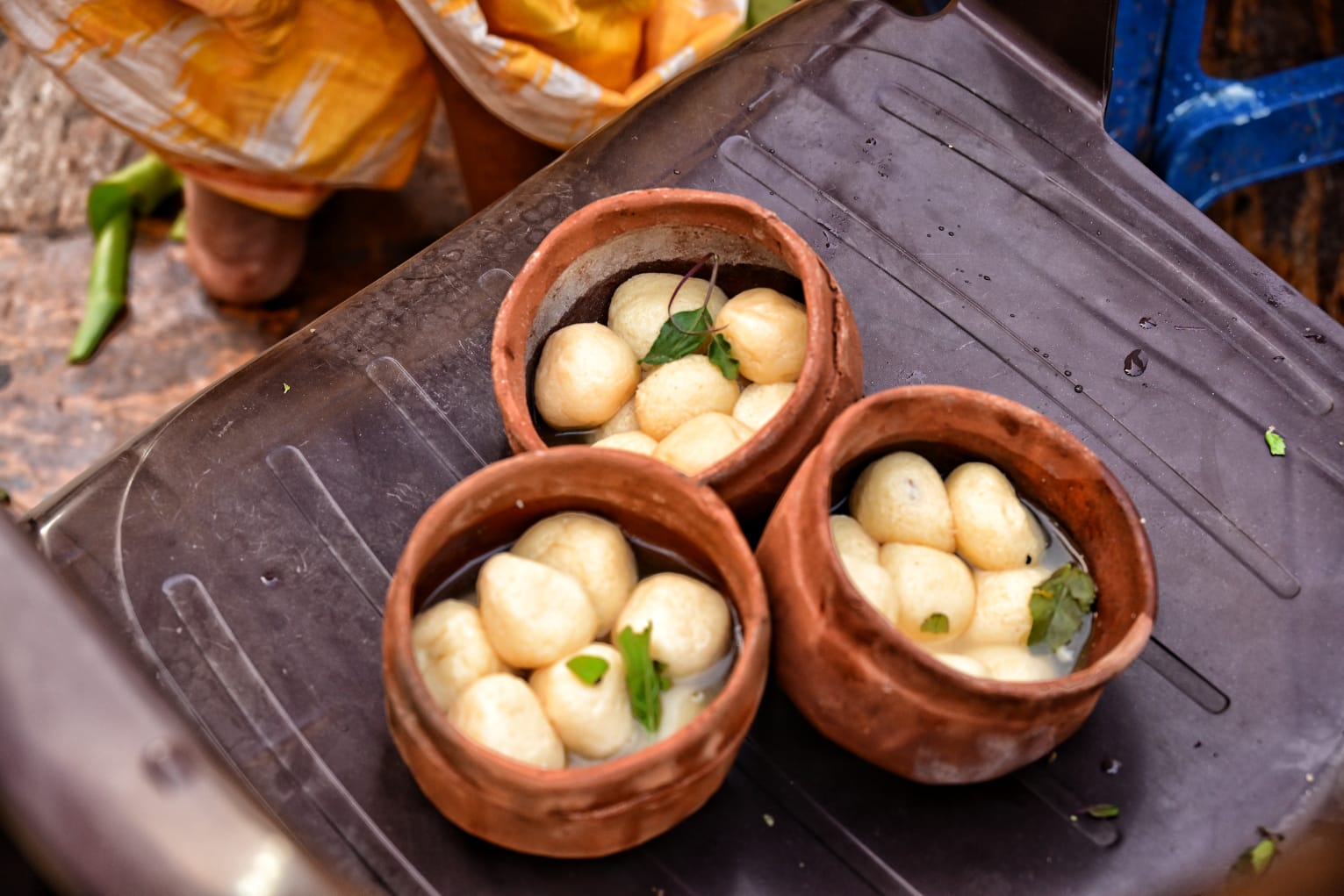
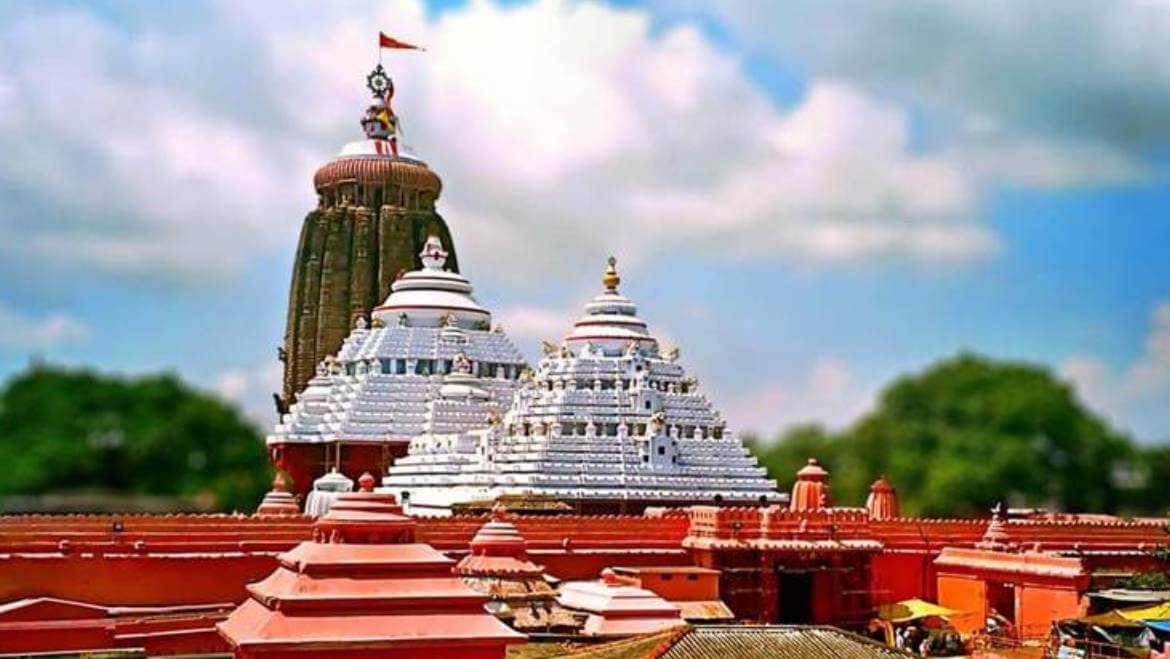
Rasagola is one of the most famous sweets of Odisha, made from chhena (cottage cheese) and soaked in light sugar syrup. The traditional Odisha rasagola is distinct from other regional versions and is often offered as prasad at the Jagannath Temple in Puri. It is believed that the sweet was invented in Odisha and has a history dating back centuries.
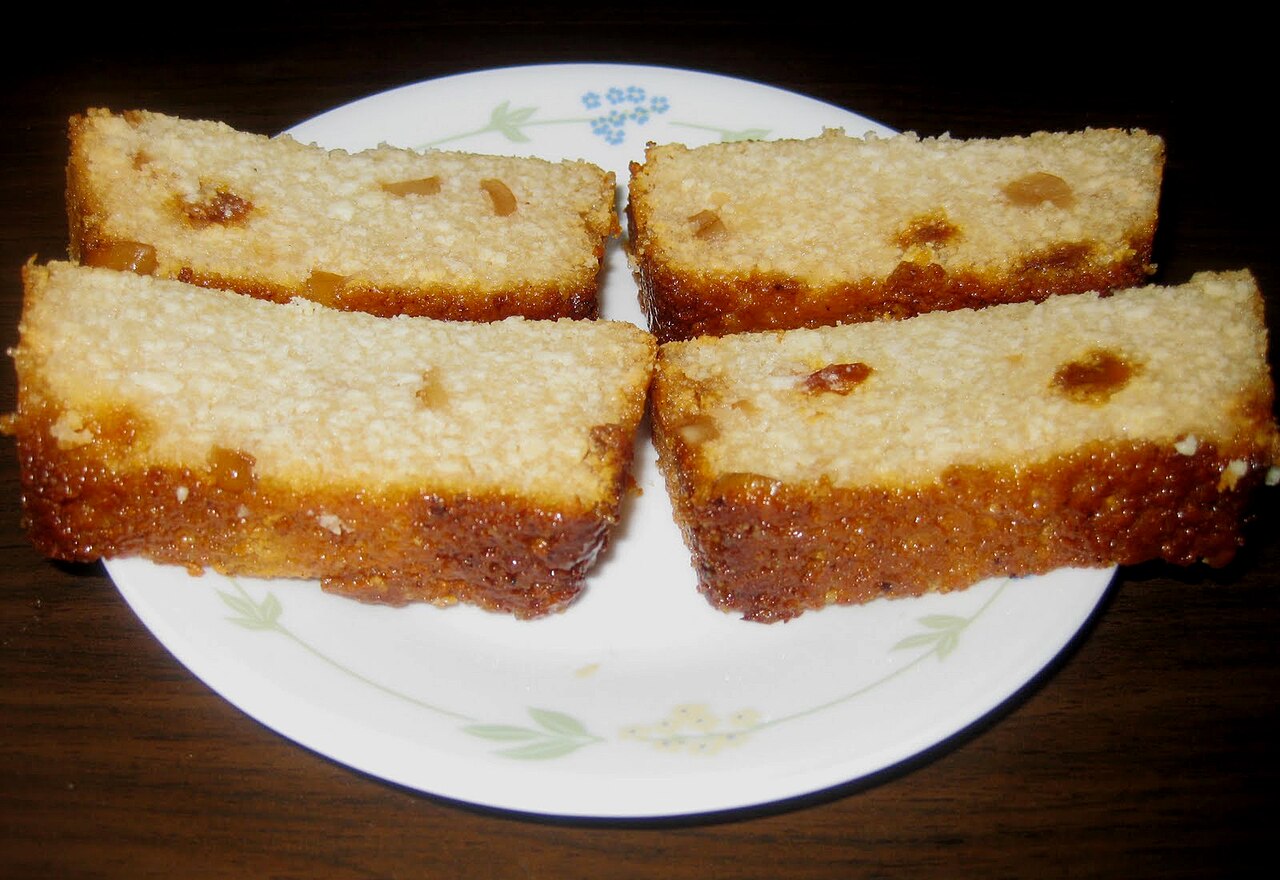
Chhena Poda is a famous Odia dessert made from chhena (cottage cheese) and sugar, baked until it develops a caramelized crust. Often referred to as the "burnt cheese cake," it has a unique flavor that sets it apart from other Indian sweets. This delightful treat is a must-try for any visitor to Odisha.
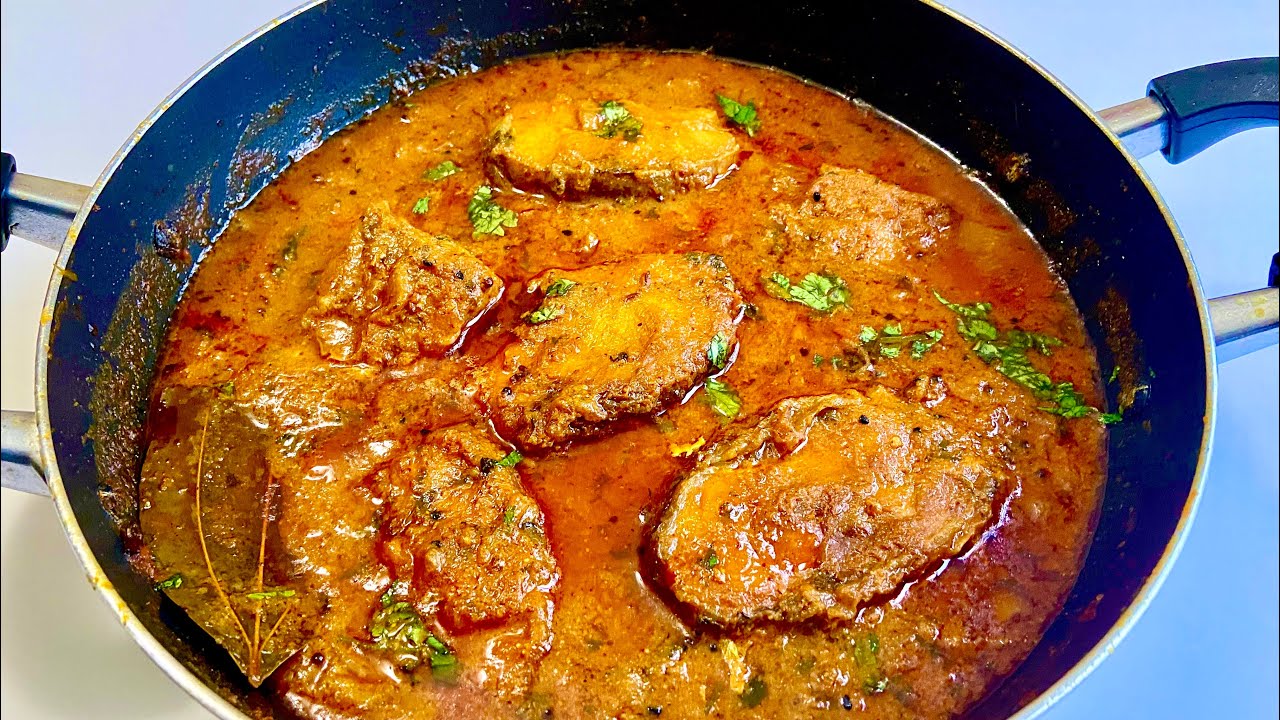
Machha Jhola is a light and flavorful fish curry that is a staple in coastal Odisha. It is prepared with fresh fish, tomatoes, ginger, garlic, and a blend of spices. The curry has a thin consistency and is best enjoyed with steamed rice. The use of mustard oil gives it a distinct, authentic taste that is cherished in every Odia household.
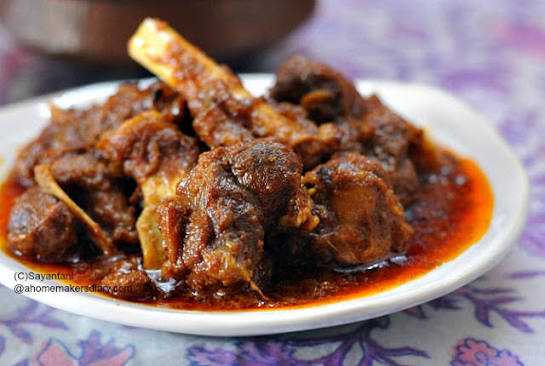
Mutton Kassa is a rich and flavorful mutton curry slow-cooked with a paste of onions, ginger, garlic, and a robust blend of spices. The dish is characterized by its thick gravy and tender meat that falls off the bone. It is often served with rice or puri and is a favorite during festive occasions and celebrations.
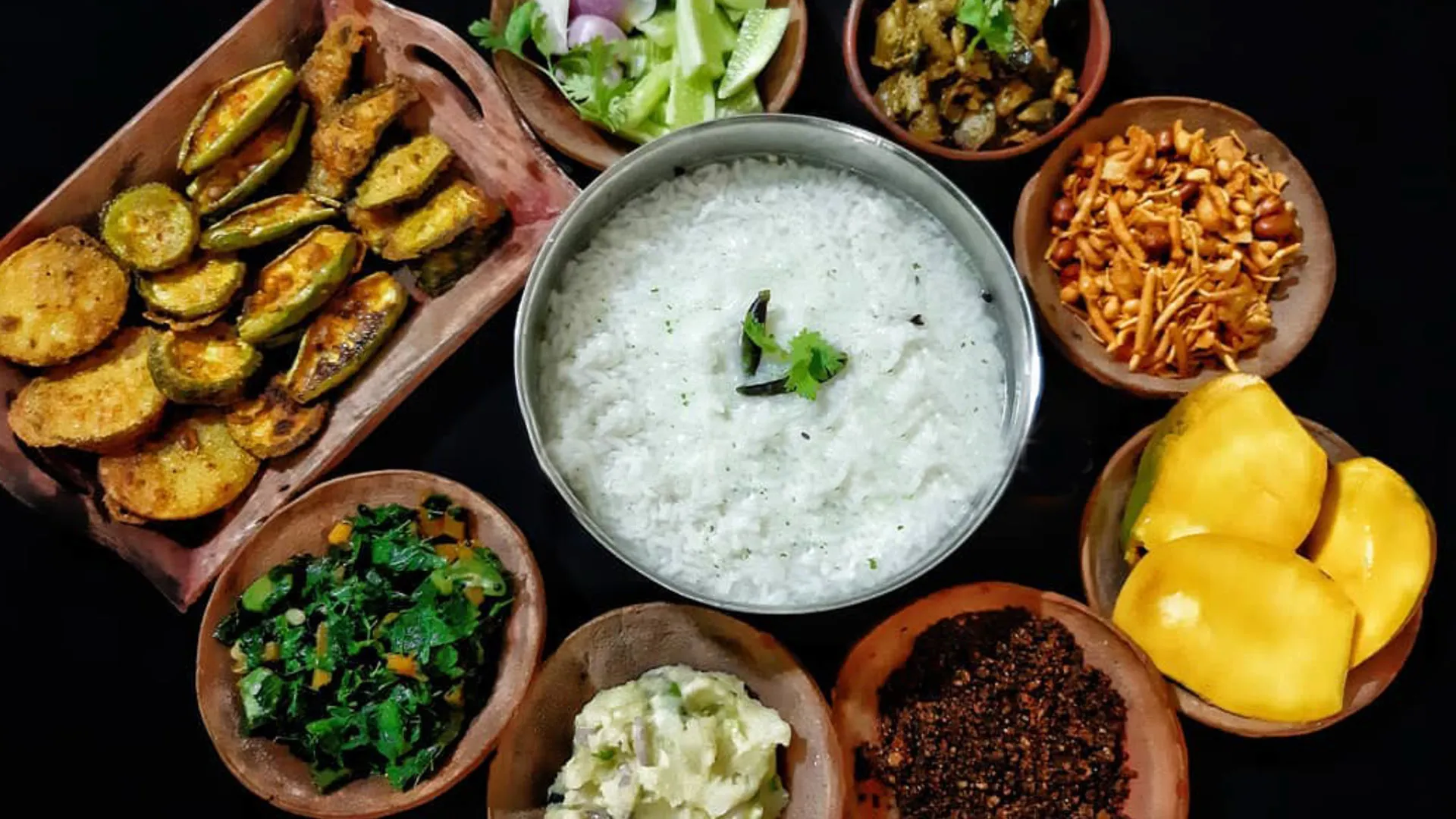
Dahi Pakhala is a variation of the traditional Pakhala, where the fermented rice is mixed with yoghurt. It is a popular summer dish that is both refreshing and nutritious. Served with fried vegetables, roasted fish, and spicy pickles, it is a complete meal cherished by every Odia household.
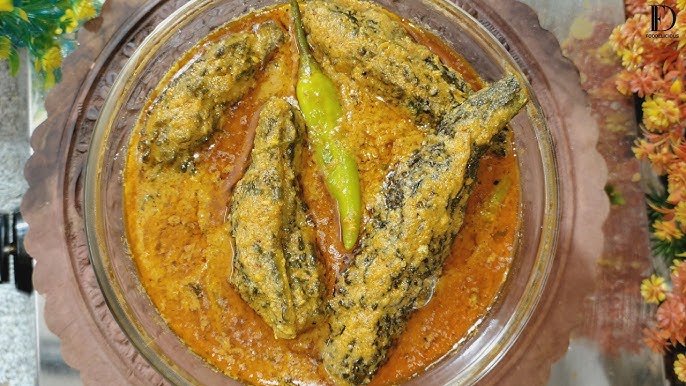
Biriya is a traditional Odia preparation made from rice and moong dal, cooked with paneer, nuts, and raisins. It is a wholesome and nutritious dish often served as a breakfast item. Seasoned with ghee and mild spices, it has a delicate and comforting flavor. During the 19th century, many Odia cooks were employed in Bengal and took several dishes with them, including variations of this preparation.
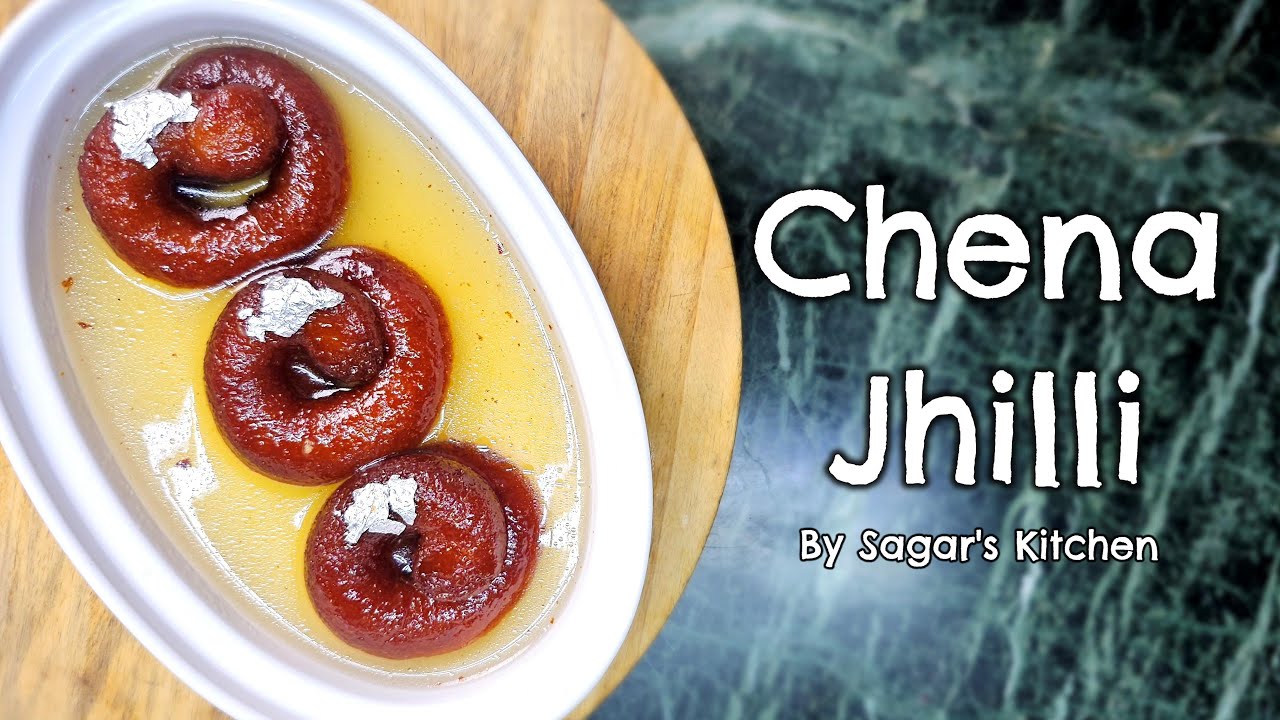
Chhena Jhalen is a unique Odia sweet made from chhena and fried in ghee before being soaked in sugar syrup. The sweet has a crispy exterior and a soft, spongy interior. It is a popular dessert during weddings and festive celebrations, showcasing the rich tradition of chhena-based sweets in Odisha.
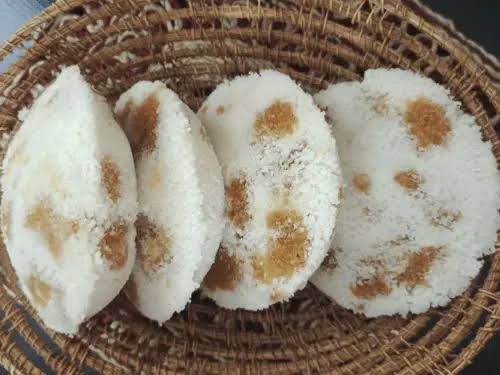
Pithas are traditional Odia cakes made from rice flour, coconut, jaggery, and other ingredients. There are numerous varieties including Enduri Pitha, Manda Pitha, and Chakuli Pitha. These are often prepared during special occasions like the Raja festival and are a symbol of Odisha's rich culinary heritage, often served on sal leaves or banana leaves in the traditional manner.
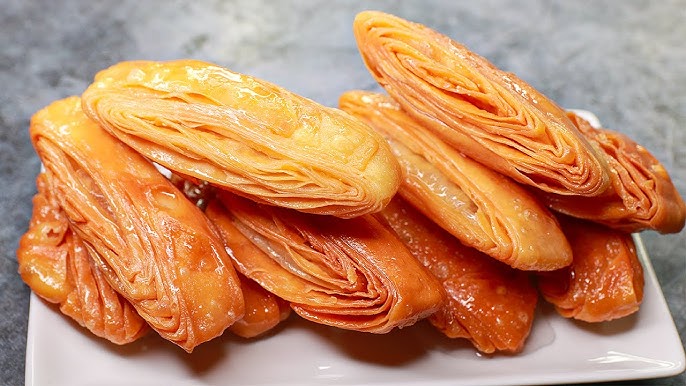
Khaja is a traditional Odia sweet made from refined flour, sugar, and ghee. The dough is deep-fried until golden and crispy, then soaked in sugar syrup. It is often served as prasad in temples and is a popular offering during religious ceremonies. The sweet has a flaky, layered texture and a satisfying crunch, reflecting the temple tradition of using ghee in cooking.
Compared to other regional Indian cuisines, Odia cuisine uses relatively less oil and is less spicy but of great taste. Rice is the staple food of this region. Mustard oil is used in several dishes as the cooking medium, but ghee is preferred in temples. In old times, food was traditionally served on disposable plates made of sal leaves or in banana leaves.
Odia cooks, particularly from the Puri region, were much sought after due to their ability to cook food in accordance to the Hindu scriptures. During the 19th century, many Odia cooks were employed in Bengal and they took several dishes with them. Yoghurt is used in various dishes, and many sweets of the region are based on Chhena (cheese). The period saw a heavy demand of the Brahmin cooks, leading many Odia cooks to fake their castes.
 Sing
Sing