Singapore History

History of Singapore

From a small fishing village to a global metropolis — discover the rich and colourful history of Singapore, from ancient times through colonial rule to independence and beyond.

Singapore's Journey Through Time

The earliest known mention of Singapore was a 3rd century Chinese account which described Singapore as "Pu-luo-chung" ("island at the end of a peninsula"). Follow Singapore's fascinating story from ancient times to the present day.

Ancient Singapore
01

Ancient Singapore & Temasek

3rd Century — 14th Century

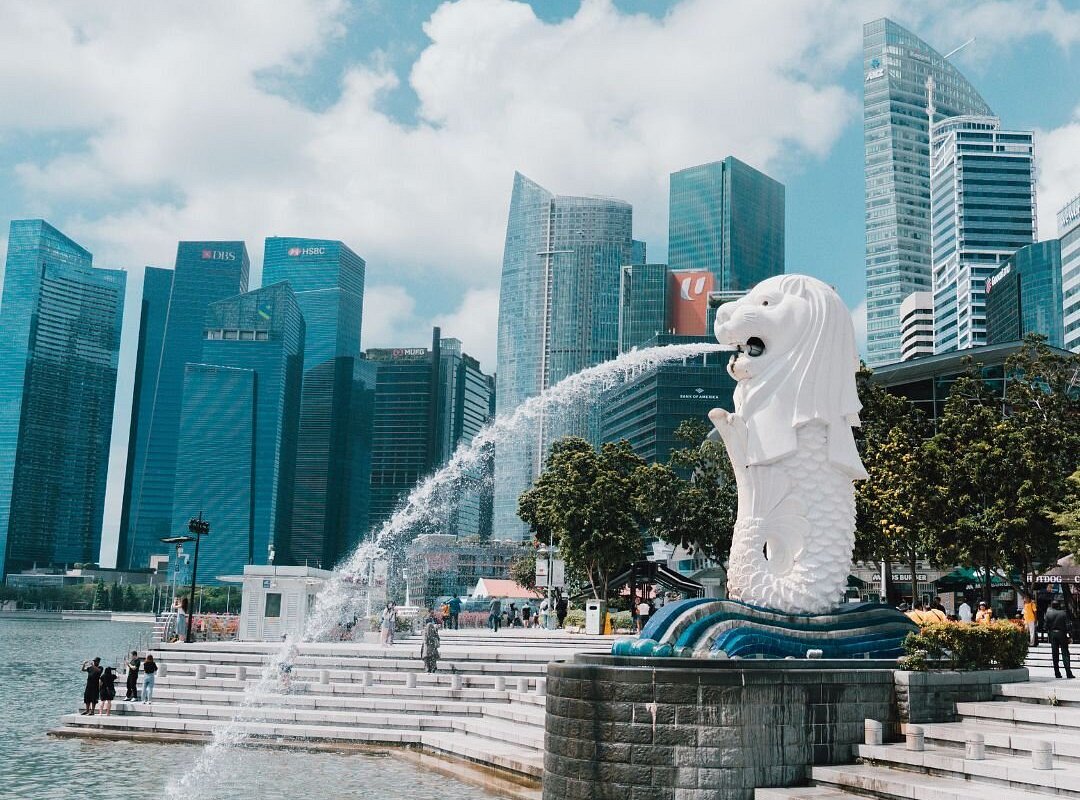
The earliest known mention of Singapore was a 3rd century Chinese account which described Singapore as "Pu-luo-chung" ("island at the end of a peninsula"). By the 14th century, Singapore had become part of the mighty Sri Vijayan empire and was known as Temasek ("Sea Town"). During the 11th century, this strategically-placed island earned a new name — "Singa Pura" ("Lion City"). According to legend, a visiting Sri Vijayan prince saw an animal he mistook for a lion and Singapore's modern day name was born.

🏛️ Pu-luo-chung ⛵ Temasek 🦁 Lion City
British Founding
02

British Founding & Growth

1819 — 1942

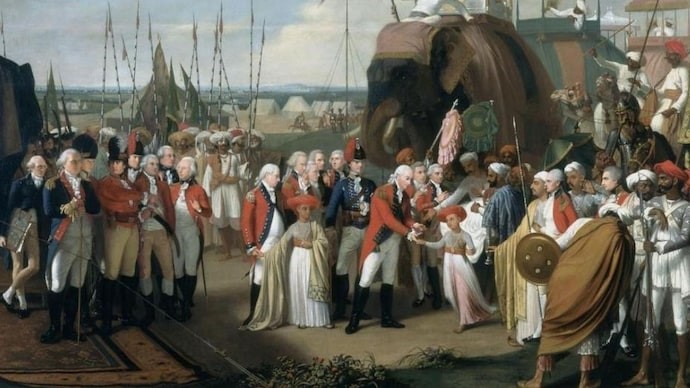
In late 1818, Lord Hastings gave approval to Sir Stamford Raffles to establish a trading station. On 29 January 1819, Raffles landed on Singapore. On 6 February 1819, a formal treaty was concluded with Sultan Hussein of Johor and the Temenggong. By 1824, the population had grown from 150 to 10,000. In 1832, Singapore became the centre of government for the Straits Settlements. The opening of the Suez Canal in 1869 increased Singapore's importance as a centre for trade between East and West.

🇬🇧 British Colony ⚓ Raffles 1819 📈 Suez Canal 1869
Modern Singapore
03

War, Independence & India Connection

1942 — Present

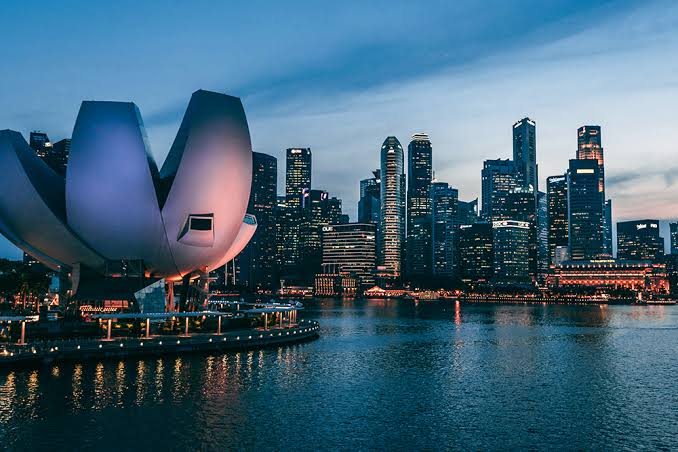
Singapore was considered an impregnable fortress, but the Japanese overran the island in 1942. After the war, Singapore became a Crown Colony. The growth of nationalism led to self-government in 1959 and on 9 August 1965, Singapore became an independent republic. When Raffles sailed into Singapore in 1819, with him was an entourage of 2320 Indian settlers. In the mid-80s, the first Odia arrived in Singapore in 1987. By 2008, the Odia population grew to an estimated 1,000.

🇸🇬 Independence 1965 🇮🇳 Indian Settlers 1819 🟥 Odia Arrival 1987

Singapore & India Connection

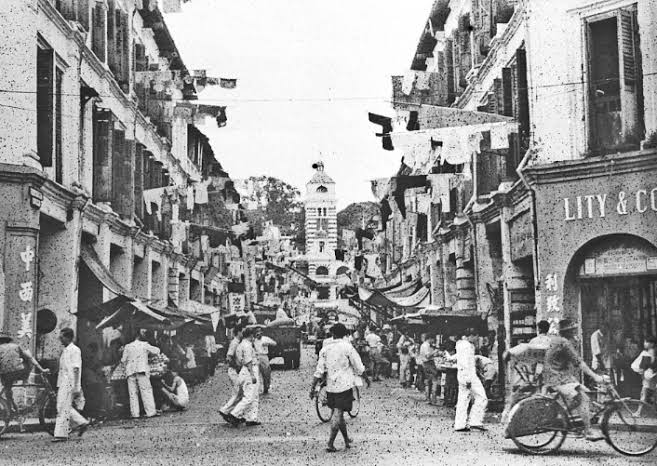
When Sir Stamford Raffles sailed into Singapore in 1819, with him was an entourage of 2320 Indian settlers. They resided mainly in the area near Chulia Street in Chinatown, which Raffles had originally designated for the Indian community. In the late 19th century, many Indian migrants came to Singapore to find work, be it to build roads, clear swamps or to take up key positions in the civil service.

Little India emerged as a flourishing commercial centre for the Indian community. Immigrants from Calcutta, Madras and Malaya flocked here and by the turn of the century, this area, once covered in gambier, banana and vegetable plantations, had become a vibrant enclave fondly known as Little India.

While contact with ancient India left a deep impact on Singapore's indigenous Malay culture, the mass migration of Indians to the island only began with the founding of modern Singapore by the British in 1819. Initially, the Indian population was transient, mainly comprising young men who came as workers, soldiers and convicts. By the mid-20th century, a settled community had emerged, with a more balanced gender ratio.

Indian Community Today

Singapore Indians are linguistically and religiously diverse, with ethnic Tamils and nominal Hindus forming majorities. Prominent Indian individuals have long made a mark in Singapore as leaders of various fields in national life, including politics, education, diplomacy and the law.

Odisha Footprint

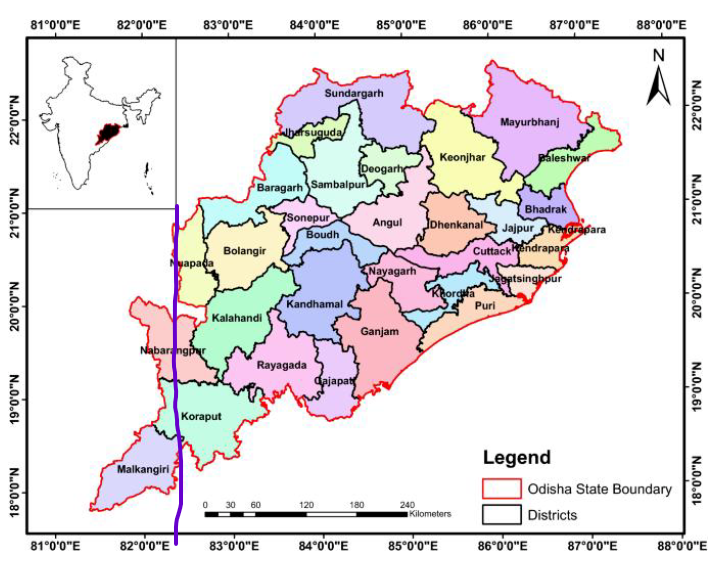
In the mid-80s, modern Singapore started attracting Indian expats to join its growing economy. The first person from Odisha arrived in Singapore in 1987. Since then, the flow of Odia migrants continued to grow. The Odia population in Singapore is estimated to have grown to 1,000 by the end of 2008. Most Odia migrants are employed in Education, Information Technology, Manufacturing, and Banking sectors.