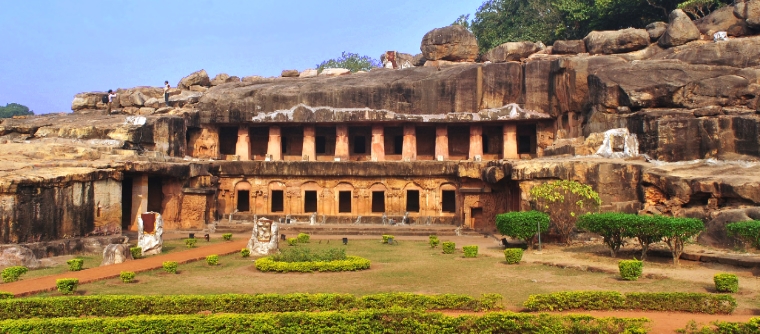
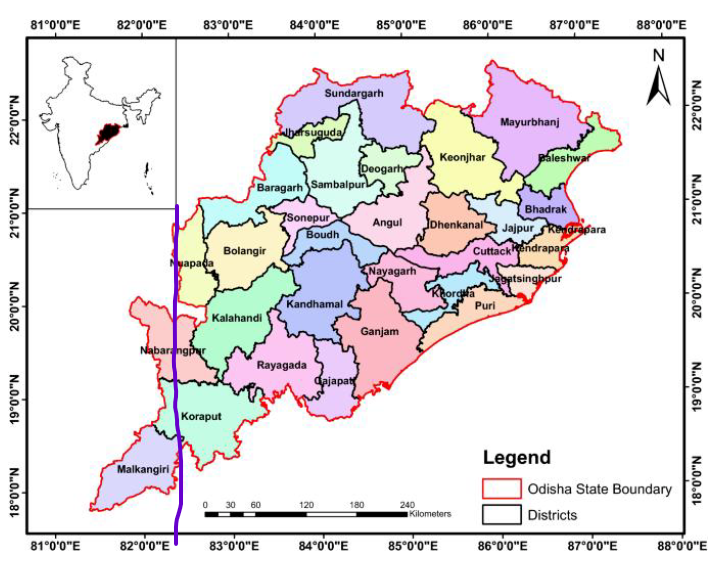
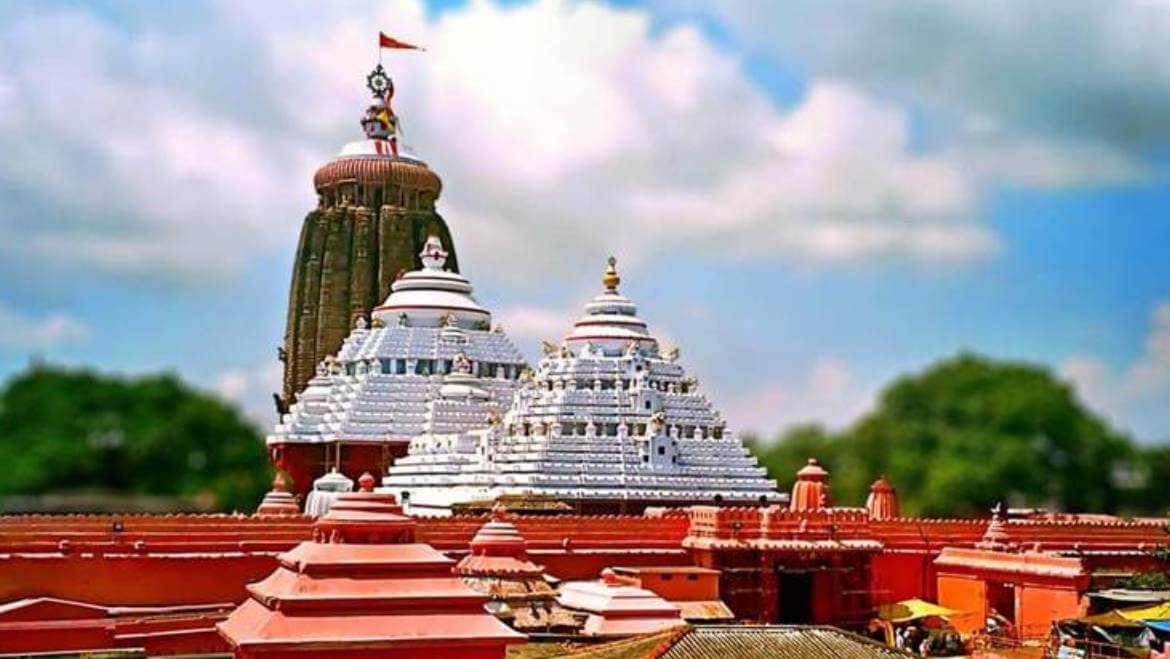
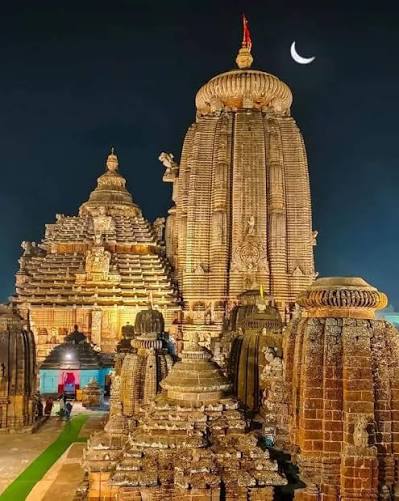
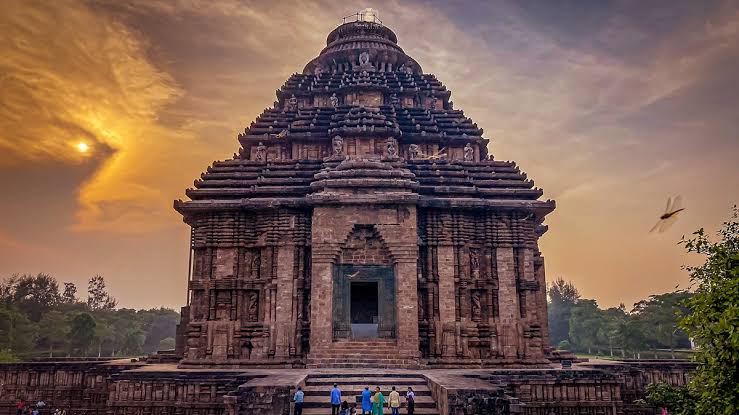
Odisha is located between 17° 49' N to 22° 34' N latitude and from 81° 29' E to 87° 29' E longitude on the eastern coast of India. West Bengal in the northeast, Jharkhand in the north, Madhya Pradesh in the west, Andhra Pradesh in the south and the Bay of Bengal in the east bound it.
Odisha was separated from Bihar and came into existence on 1 April 1936. The capital was established at the historic city of Cuttack, located at the apex of the Mahanadi delta. In 1956, it shifted to Bhubaneswar, a planned modern town of the post-independence period.
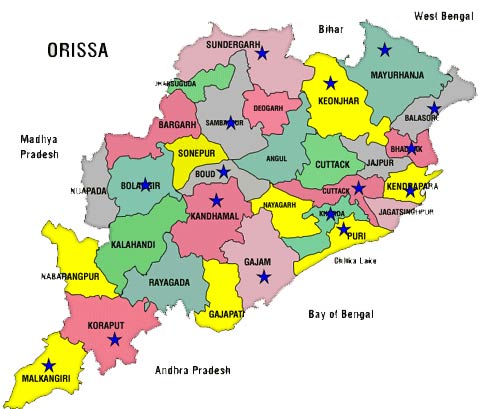
Based on physiographical characteristics, Odisha can be divided into three broad regions.
The Odisha Coastal Plains region stretches from the West Bengal border i.e. from the River Subarnarekha in the north to the River Rushikulya in the south. This region is the combination of several deltas of varied sizes and shapes formed by the major rivers of Odisha, such as the Subarnarekha, Budhabalanga, Baitarani, Brahmani, Mahanadi, and Rushikulya.
The Middle Mountainous Region covers about three-fourth of the entire State and comprises the hills and mountains of the Eastern Ghats, which rise abruptly and steeply in the east and slope gently to a dissected plateau in the west running from north-east (Mayurbhanj) to north-west (Malkangiri).
The Plateaus are mostly eroded plateaus forming the western slopes of the Eastern Ghats with elevation varying from 305–610 metres. These rolling uplands contribute to the diverse topography of the state and support various ecosystems.
Odisha has 30 districts, each with its unique cultural and geographical identity.
A combination of rich mineral resources, agricultural abundance, and a growing industrial sector drives the economy of Odisha.
Over 76 percent of the people are dependent on agriculture. Out of the gross cropped area of 87.46 lakh hectares, 18.79 lakh hectares are irrigated.
District-wise: Jute ranks second in Cuttack and Balasore, gram in Puri and Phulbani, and maize in Mayurbhanj.
A combination of coal, iron ore, limestone, bauxite and a host of other minerals on the one hand and port facilities on the other are the unique features in Odisha. In addition, the bountiful forest resources and agricultural products provide ample scope for the development of forest-based and agro-based industries.
 Sing
Sing