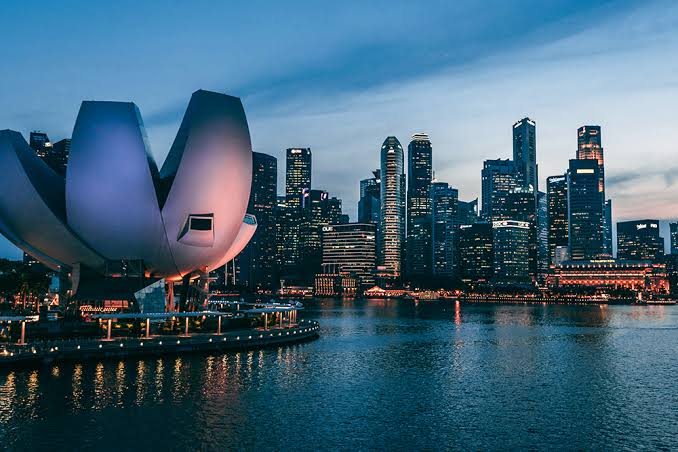
Singapore has several distinct ethnic neighborhoods, including Little India, Chinatown and Kampong Glam, formed by the Raffles Plan of Singapore in the early 19th century. These neighborhoods retain unique elements of their specific culture.
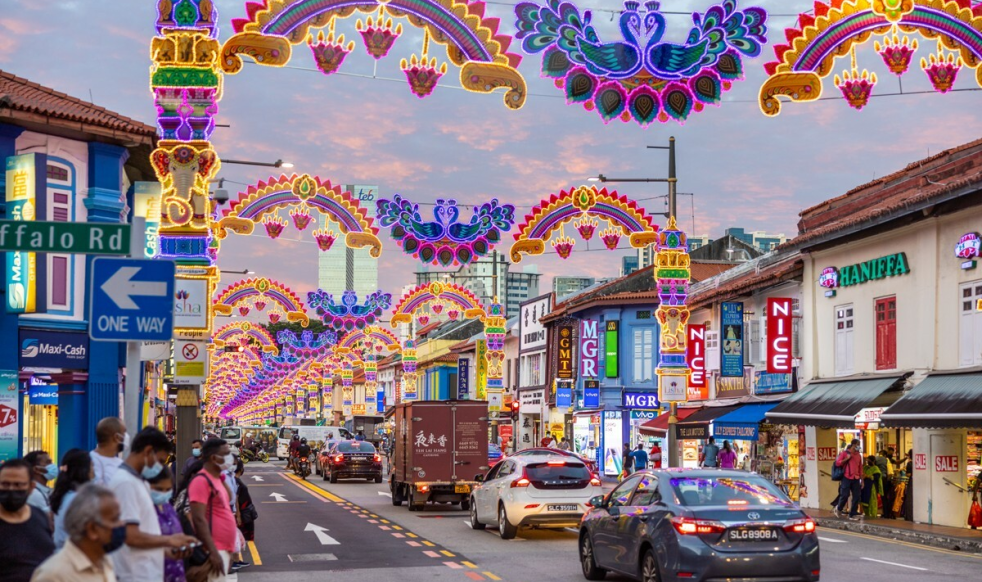
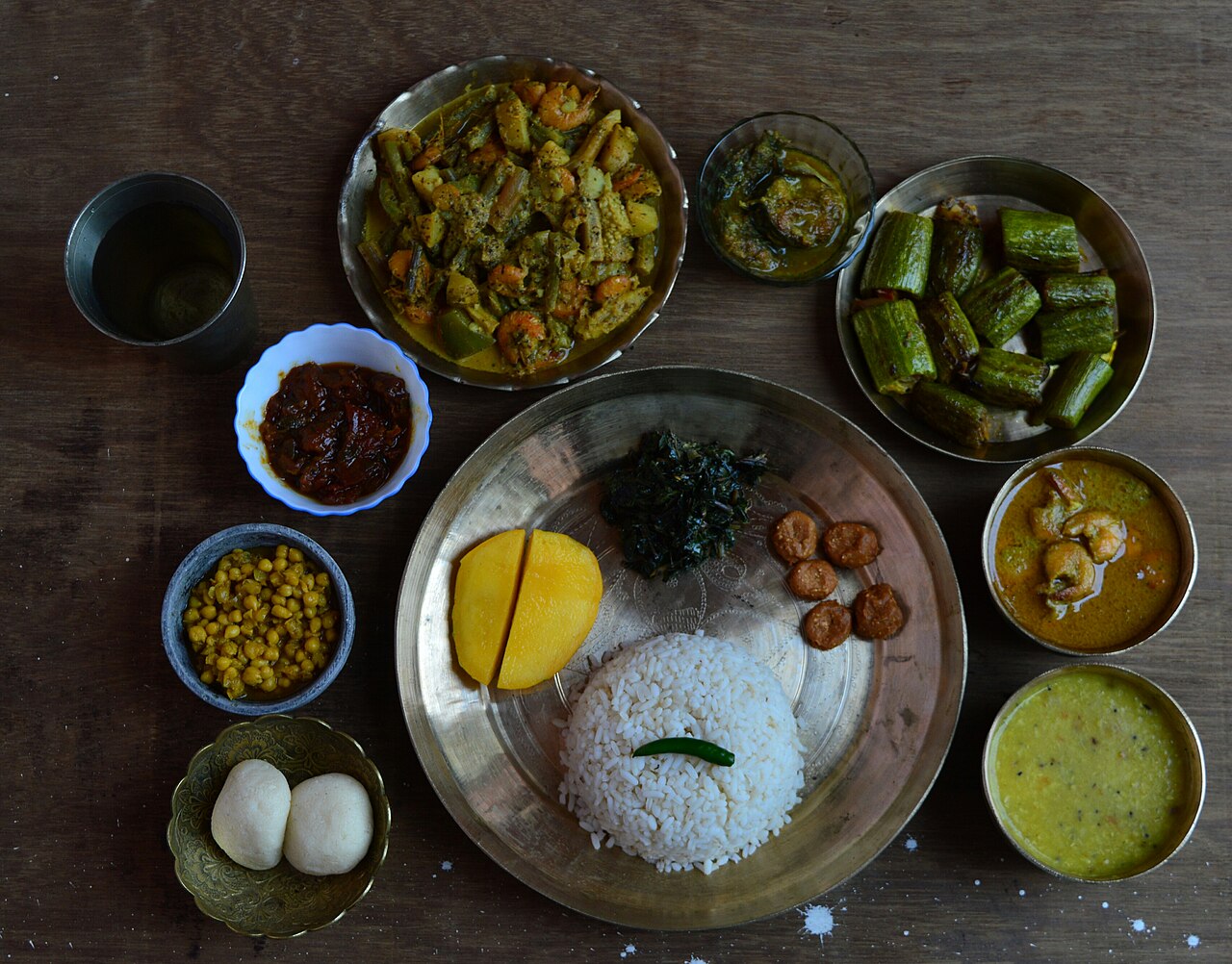
Little India is known and patronized by all races within the population for its thalis — South Indian "buffets" that are vegetarian and served on the traditional banana leaves. The area, once covered in gambier, banana and vegetable plantations, had become a flourishing commercial centre for the Indian community. Spreading out from both sides of Serangoon Road, this little enclave of the Indian community became fondly known as Little India.
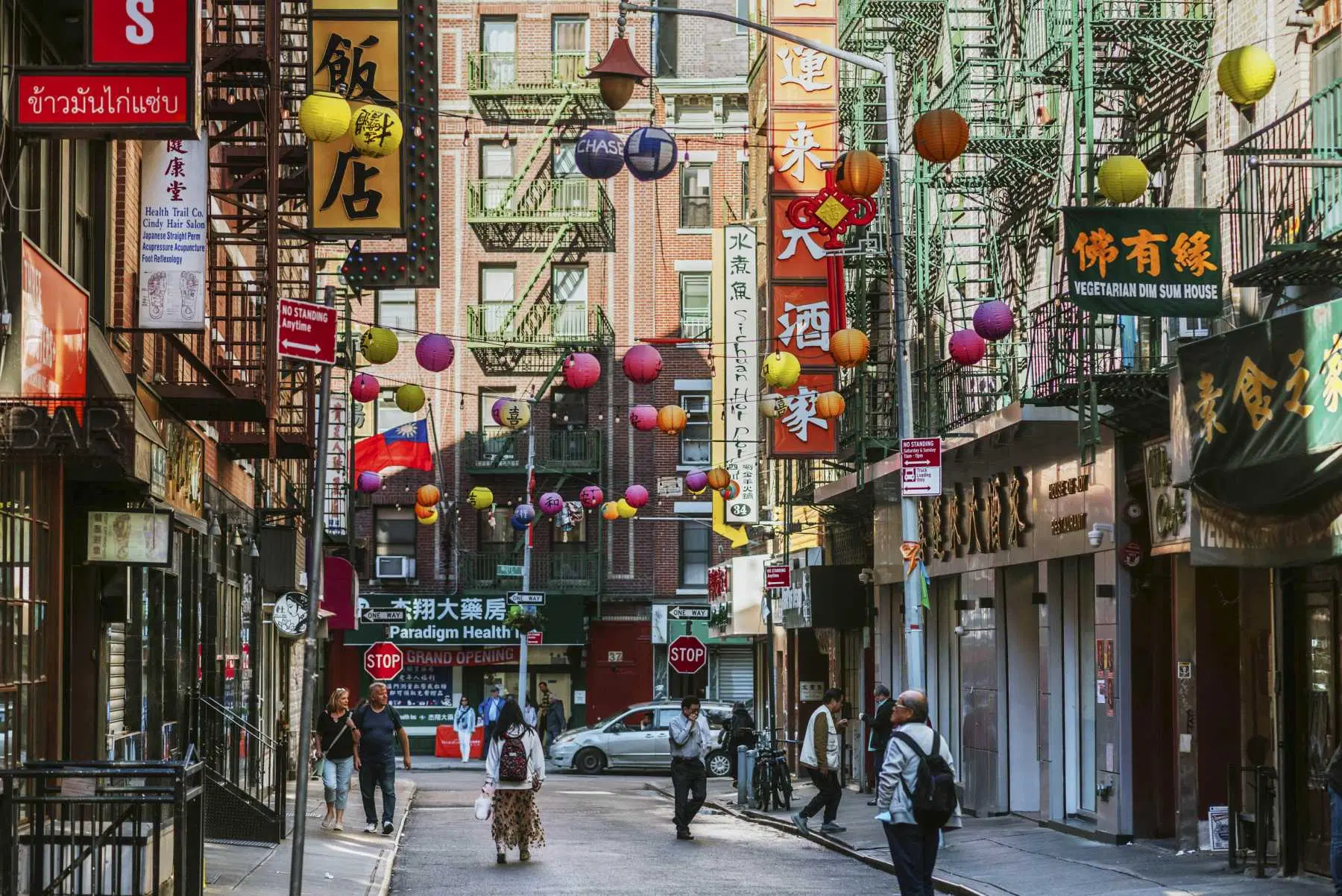
Chinatown was originally designated for the Chinese community under the Raffles Plan. Today, it is a vibrant neighborhood known for its rich heritage, traditional shophouses, temples, and bustling street markets. The area is home to the Buddha Tooth Relic Temple, Sri Mariamman Temple (the oldest Hindu temple in Singapore), and the Chinatown Heritage Centre, which offers a glimpse into the lives of early Chinese immigrants.
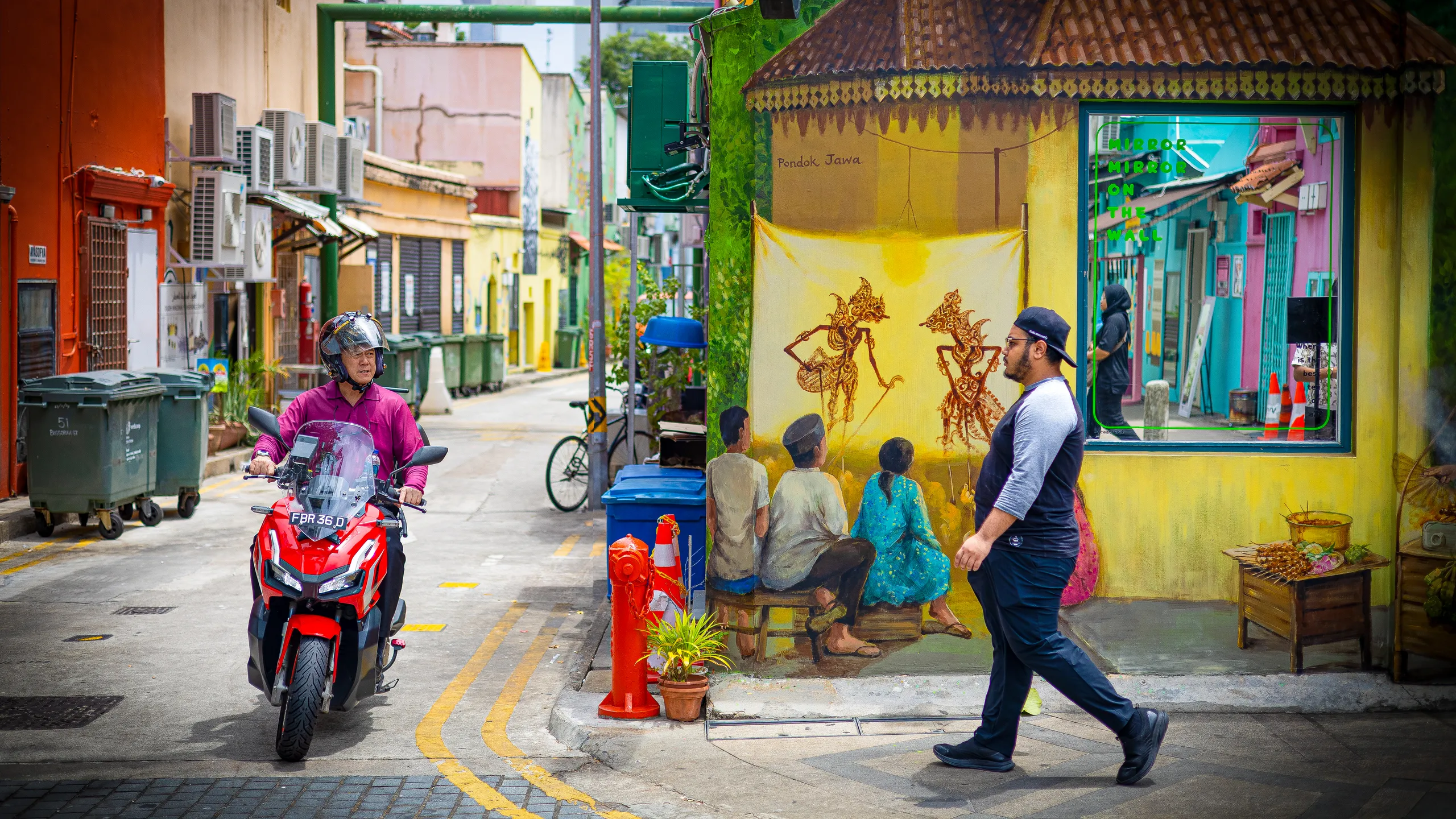
Kampong Glam is the historic Malay and Arab quarter of Singapore. It is home to the magnificent Sultan Mosque, built in 1826, and is known for its Middle Eastern and Malay cuisine, fabric shops, and traditional art galleries. The area was once the seat of the Malay sultanate in Singapore and remains a vibrant center of Malay culture and heritage.
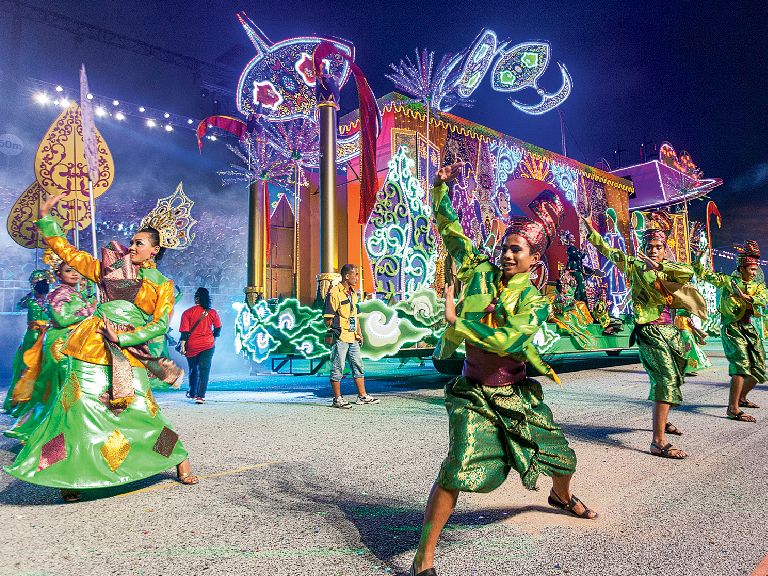
Singapore has achieved a significant degree of cultural diffusion with its unique combination of ethnic groups, giving Singapore a rich mixture of diversity for its young age. The policies of the Housing Development Board (HDB) are designed to encourage a mix of all races within each housing district, with a quota system in place to achieve a minimum of minorities in each block. This effect can be observed in all parts of the country — for example a store devoted to selling Malay food might be right next to stores selling Chinese or Indian goods.
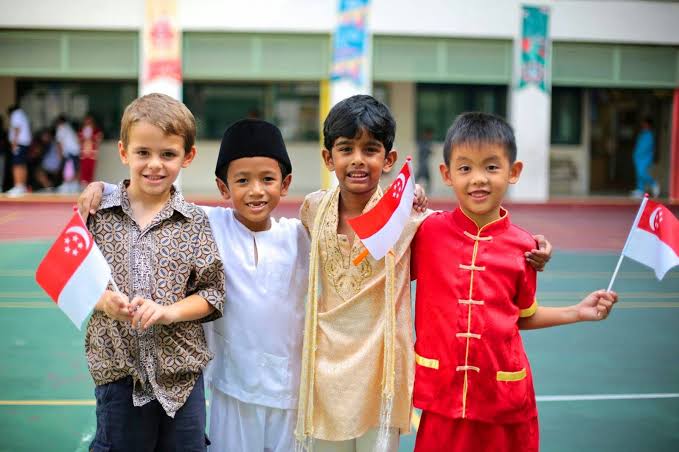
The aim of Singapore's policies is to foster social cohesion and national loyalty, which Lee Kuan Yew felt was crucial for sustaining Singapore after independence when he was Prime Minister. There is a weighty emphasis on racial harmony and subsequent case study of historical events, such as the 1964 Race Riots. Today, Singapore stands as a model of multicultural harmony, where diverse communities live and work together while celebrating their unique traditions.
One can find a Malay wedding taking place beside a Chinese funeral at a void deck, on the ground floor of a HDB apartment block. This can be said to be due to the policies of the HDB which tried to make sure all public housing have a diverse mix of races. The usage of ethnic neighborhoods is mostly commercial or for cottage industry specific to the culture of its ethnic neighborhood, and no longer plays a large part in housing the population, although it was once used for that purpose.
These neighborhoods have patronage of all races who wish to either eat or buy something specific to that culture. For example, Little India is known and patronized by all races within the population for its thalis. These neighborhoods are accessible by public transport, especially by Mass Rapid Transit (MRT).
From Malay nasi lemak to Chinese dim sum and Indian thalis, Singapore's food culture is a delicious reflection of its multicultural heritage. Hawker centres are the heart of this culinary fusion.
Singapore is a multilingual nation with four official languages: English, Mandarin, Malay, and Tamil. The unique Singlish (Singaporean English) reflects the cultural melting pot.
All major ethnic festivals are celebrated in Singapore, including Chinese New Year, Hari Raya Puasa, Deepavali, and Christmas — a testament to the nation's commitment to multicultural harmony.
 Sing
Sing