Singaporean cuisine is a melting pot of flavours, reflecting the nation's multicultural heritage. From the humble hawker centre to Michelin-starred restaurants, the city‑state offers an extraordinary range of culinary experiences that delight locals and visitors alike.
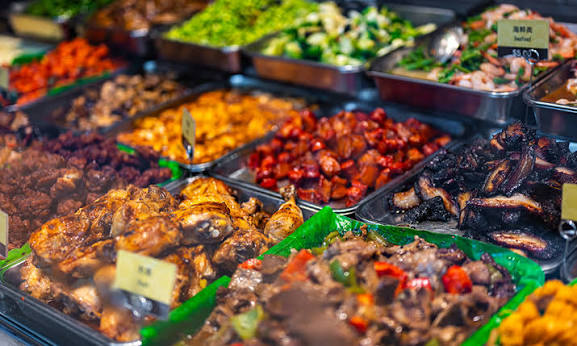
The hawker centre is the heart of Singapore's food culture — a communal dining space where people from all walks of life gather to enjoy affordable, delicious meals. With over 6,000 stalls across the island, these centres preserve traditional recipes and cooking techniques passed down through generations.
The diversity of Singapore's cuisine can be traced to its history as a trading port, where immigrants from China, India, Malaysia, and beyond brought their culinary traditions. Over time, these traditions merged and evolved, giving birth to iconic dishes that are uniquely Singaporean.
Some favourite local foods include a wide variety of dishes that reflect the multicultural heritage of Singapore:
 Seafood Delights
Singaporeans also enjoy a wide variety of seafood including crabs, clams, squid, and oysters. One favourite dish is the stingray barbecued and served on banana leaf and with sambal (chilli) — a true local delicacy that captures the bold, spicy flavours of Singaporean cuisine.
There are four official languages in Singapore: English, Chinese, Malay and Tamil. In general, English tends to be the language spoken widely in the business, education and government sector of Singapore. But colloquially, the Singaporean also speaks a diverse and mixed language that can involve English, Chinese, Malay and Tamil, depending on the circle one is associated with, the age group, the race and the location.
The lingua franca of Singapore, used in government, education, and business. The English used is primarily British English, with some American English influences. It became more widespread after being implemented as a first language medium in the education system in 1980.
🇬🇧 British InfluenceThe second most commonly-spoken language among the Singaporean Chinese population. It became widespread after the Speak Mandarin campaign during 1980, which aims to make Mandarin the common speech tongue among the Chinese in Singapore.
🇨🇳 Chinese HeritageSingapore's national language, reflecting the nation's historical roots as part of the Malay Archipelago. It is used in the national anthem and military commands.
🇲🇾 National LanguageThe primary Indian language used in Singapore, spoken by the Tamil community and used in official contexts. It reflects the significant Indian contribution to Singapore's multicultural identity.
🇮🇳 Indian Heritage
The local colloquial dialect of English is known formally as Singapore Colloquial English (though it is more commonly called "Singlish"), and has many creole-like characteristics, having incorporated much vocabulary and grammar from various Chinese dialects, Malay, and Indian languages.
Singlish is basically identical to Manglish (the English dialect of Malaysia), and is the usual language on the streets, but is frowned upon in official contexts, and this matter has been brought up in recent years in the Parliament and the ruling party.
Singlish is a vibrant expression of Singaporean identity — playful, efficient, and deeply rooted in the nation's multicultural fabric. It is the language of everyday life, of hawker centres, of friendship, and of a shared national experience.
 Sing
Sing