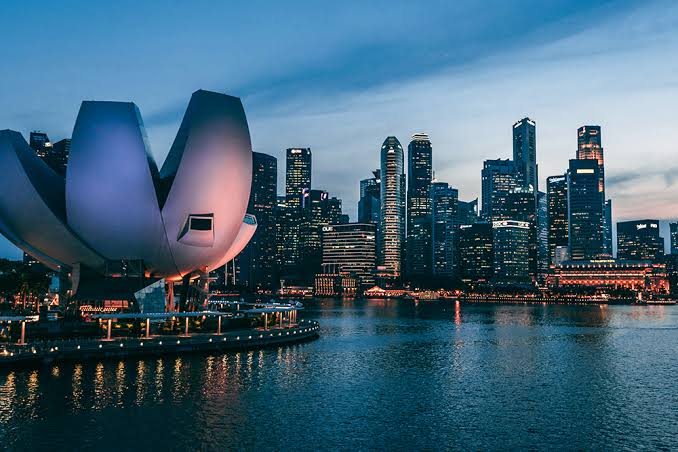
The Chinese celebrate the Lunar New Year with gusto. Muslims celebrate Hari Raya Puasa and Hari Raya Haji. Hindus celebrate Deepavali, the Festival of Lights, and Thaipusam. Christians celebrate Christmas. Explore the rich tapestry of celebrations in multicultural Singapore.
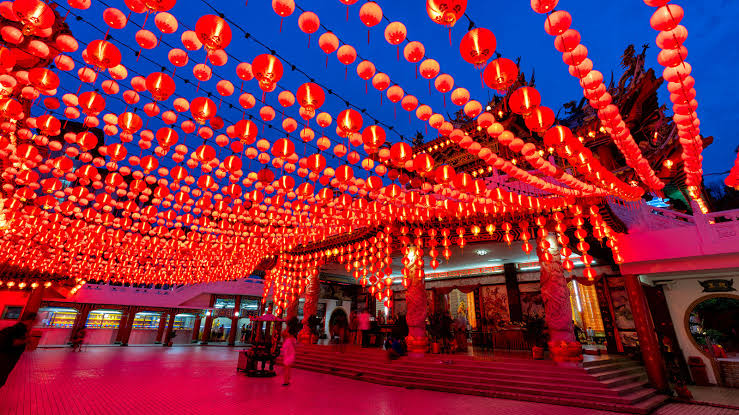
The Chinese celebrate the Lunar New Year with gusto — the equivalent of American Christmas and Thanksgiving combined. There is a big reunion dinner on the eve. Some Chinese businesses close for up to two weeks — the only break they have in the year.
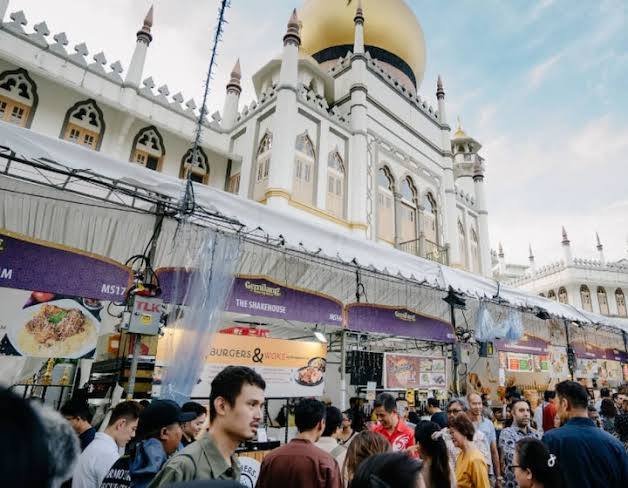
Hari Raya Puasa marks the end of Ramadan — a joyous celebration with Muslims decked in finery visiting each other. Hari Raya Haji is a time of prayer and remembrance. Also celebrated: Muharram (New Year) and Maulud (Prophet Muhammad's birthday).
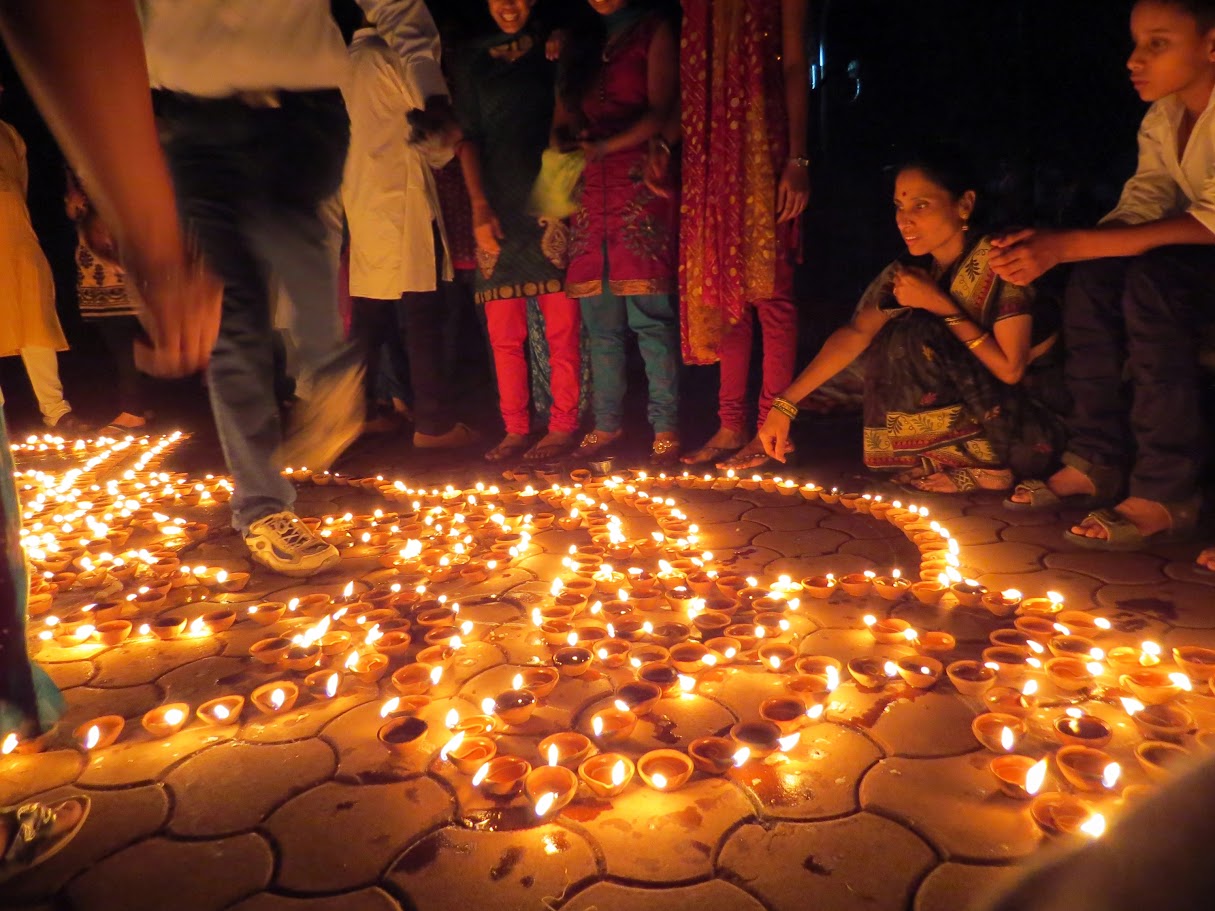
Hindus celebrate the Tamil New Year in mid-April. Thaipusam is a penitential festival where Indians walk miles carrying kavadis piercing their bodies, to thank their gods. Deepavali, the Festival of Lights, is celebrated by Hindus and Sikhs. Other festivals include Thimithi (fire-walking) and Navarathiri (nine nights' prayer).
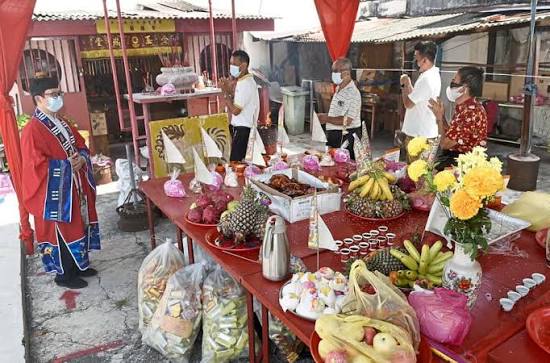
Other Chinese festivals include Qing Ming (remembrance of ancestors), the Feast of the Hungry Ghosts, and the Mid-Autumn Festival (Mooncake or Lantern Festival) — reflecting the rich cultural heritage of the Chinese community.
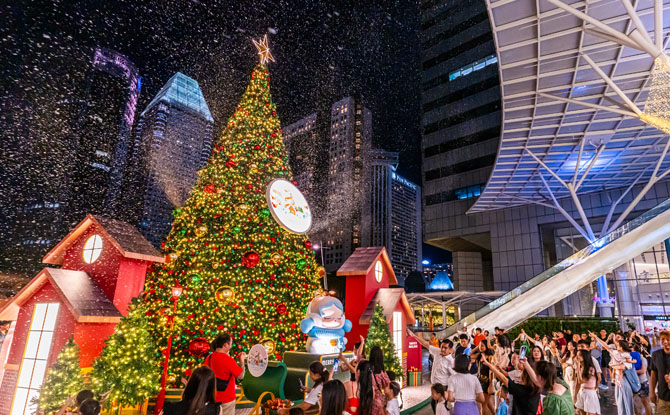
Christmas in Singapore is heavily commercialised. The entire Orchard Road shopping belt is lit up with decorative lights from November to early January — attracting visitors from all communities and making it a truly multicultural celebration.

Most Singaporeans celebrate more than just the festivals of their own ethnic group. A Chinese Christian might go to church, but also partake in cultural rites of Chinese festivals. Many visit friends from other communities to join in the fun — and being foodies, it helps when you have Chinese noodles, Malay "satay" and Indian curry thrown in.
We all have our ways and idiosyncrasies. While most young Singaporeans don't give two hoots, their elderly counterparts are usually more sensitive to cultural dos and don'ts. Here are some pointers to note when interacting with different communities in Singapore.
 Sing
Sing